

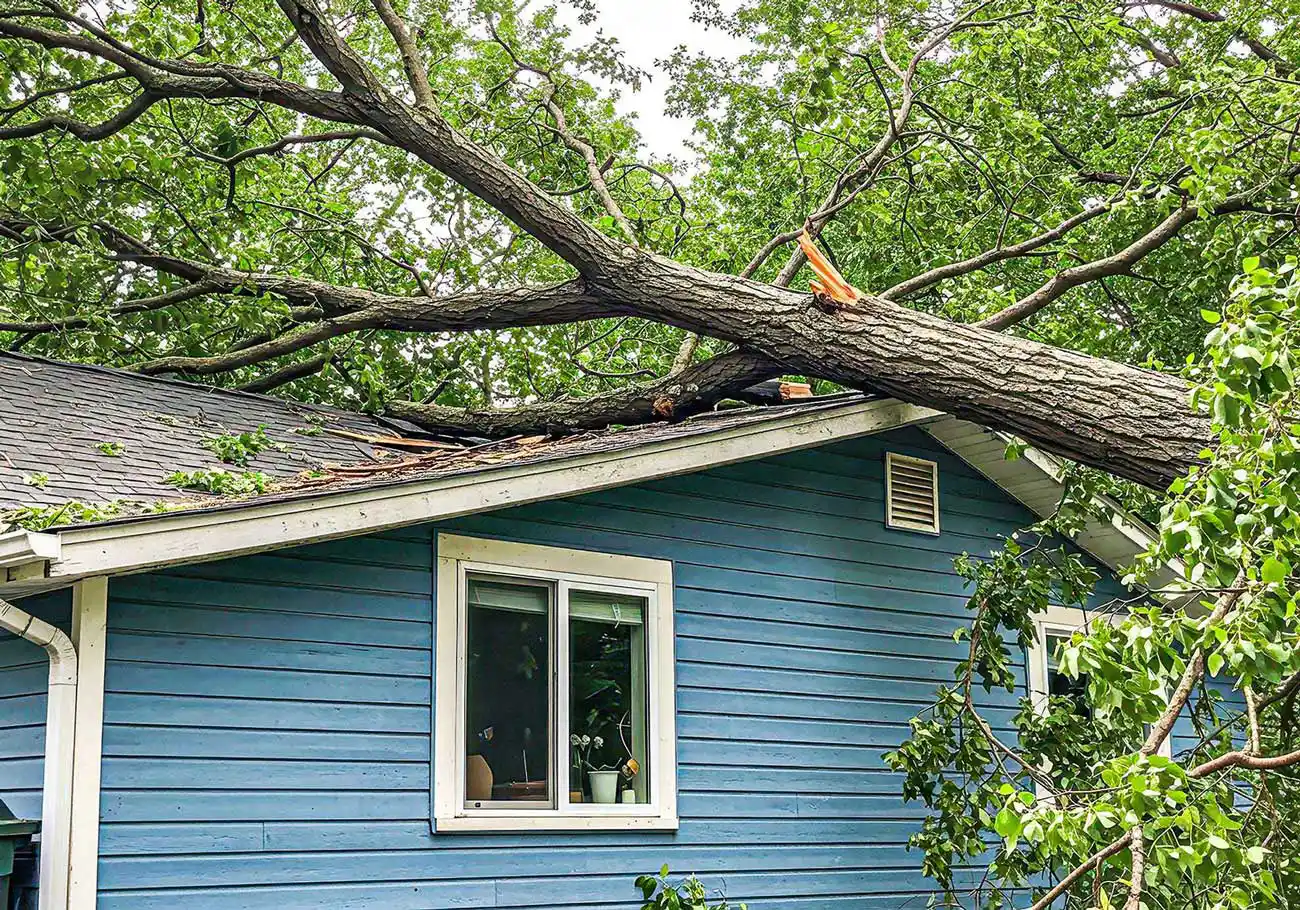
Get Help With Your Sun Prairie Roof Insurance Claim
A damaged roof can leave you with two problems at once: figuring out what happened to the roof and figuring out what your insurance company will cover. After hail, high winds, or another severe storm, it helps to have the damage documented before small problems turn into leaks or larger repairs.
A detailed roof inspection can uncover storm-related damage and document what needs attention before you move further into the insurance process. With South Central Wisconsin Roofing, you’ll also have someone to explain the findings and walk through repair or replacement options based on the condition of your roofing system.
Start With the Damage, Not the Paperwork
A roof doesn’t always show the full extent of a storm from the ground. Hail can damage shingles without leaving an obvious hole, while high winds can loosen shingles, flashing, vents, or other roofing components. Water can then find its way into the roof system during the next rainfall.
If you’ve recently had a major storm in the Sun Prairie area, a roof inspection can help you understand what you’re dealing with. Take photos of visible damage if it is safe to do so, keep records of when the storm occurred, and contact your insurance company promptly if you believe you have a covered loss.
Your policy determines what is covered, not the roofing contractor. Wisconsin’s Office of the Commissioner of Insurance notes that covered storm damage may be eligible for repair or replacement, while ordinary wear and tear is treated differently.


What a Roofing Contractor Can Do
Your roofing contractor and your insurance company have different roles in the claim.
We can inspect the roof, document visible damage, identify areas that need repair, and prepare an estimate for the roofing work. That information can help you and your insurance company understand the scope of the project.
We don’t decide whether your claim is covered or how much your insurer will pay. We also don’t negotiate an insurance settlement on your behalf. Wisconsin consumer protection rules place specific limits on what contractors can do when insurance claims are involved.
You should know what your policy covers and what your contractor is recommending without confusing the two.
Hail and Wind Damage in Sun Prairie
Hail and Wind Damage in Sun Prairie
Hail can leave dents, cracks, exposed areas, and other damage across asphalt shingles and roofing components. Some damage is easy to spot, while other signs may require a closer inspection.
If a recent storm brought hail through Smith’s Crossing, Cannery Square, or another part of the Sun Prairie community, have the roof checked before assuming everything is fine.
Wind Damage
High winds can lift or remove shingles, damage flashing, loosen vents, and expose parts of the roof to water. Missing shingles are an obvious warning sign, but they’re not the only thing worth looking for.
A professional inspection can determine whether the damage is isolated or spread across a larger portion of the roofing system.
Storm-Related Leaks
A leak after a storm deserves attention even if the roof looked fine beforehand. Water can enter through damaged shingles, flashing, vents, skylights, or other openings and continue causing damage after the weather has cleared.
If water is getting into your Sun Prairie home, take reasonable steps to limit further interior damage and arrange for the roof to be inspected.
Roof Repair or Full Roof Replacement?
An insurance claim doesn’t automatically mean you need an entirely new roof.
If the damage is limited and the rest of the roofing system remains in good condition, roof repair may be appropriate. More widespread storm damage, an aging roof, or problems discovered underneath the existing shingles may point toward a complete roof replacement.
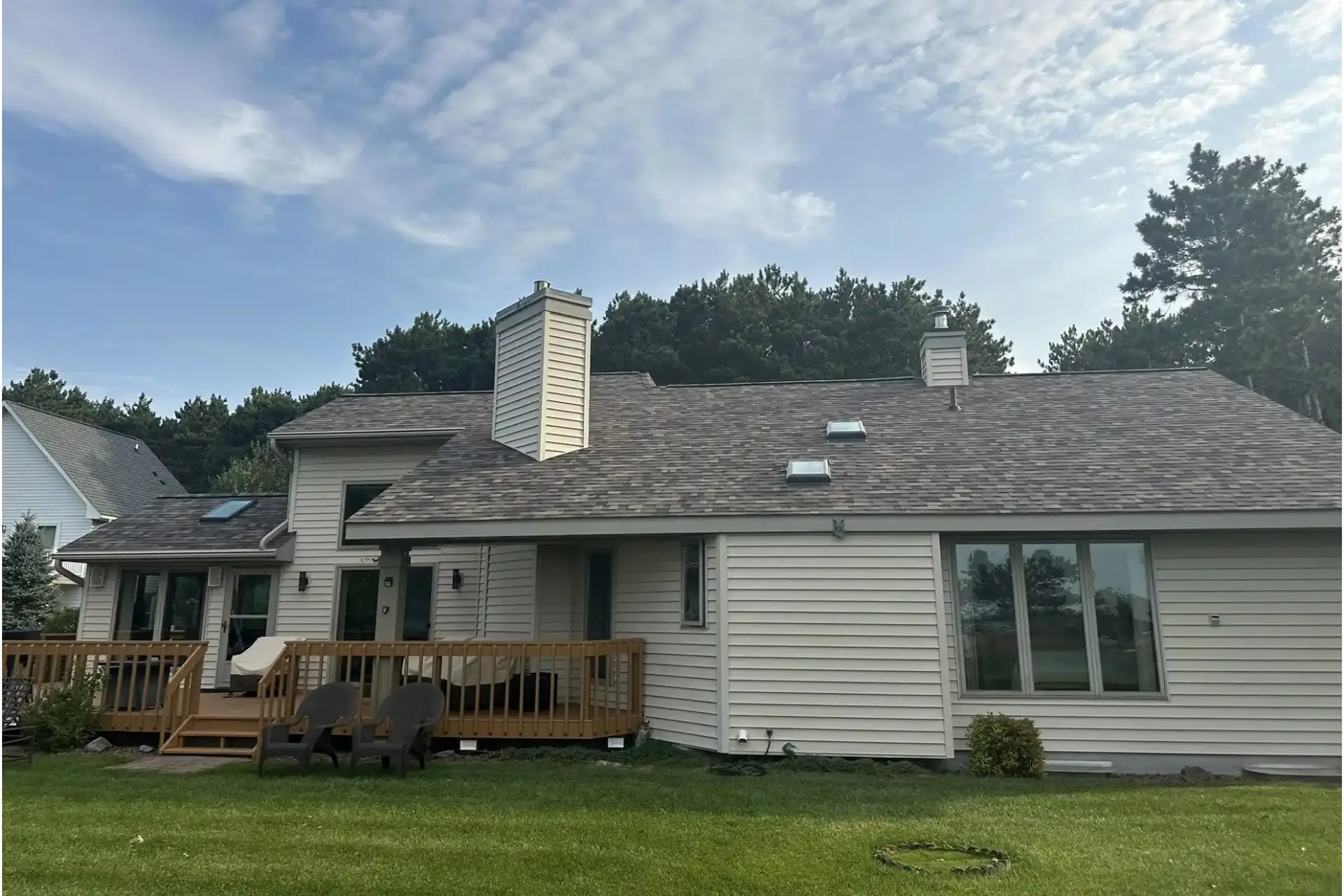
A storm claim doesn’t necessarily mean putting the same type of roof back on the house. Asphalt shingles are a common choice for Sun Prairie homes, but metal roofing may also be an option if you’re replacing the roof. If only part of the roof is damaged, the existing roofing system will also factor into what can be repaired or replaced.
We can walk through the findings with you before you decide what happens next.

What About Your Insurance Deductible?
Your deductible is your responsibility under your insurance policy. Wisconsin contractors cannot promise to pay or absorb a homeowner’s property insurance deductible.
Be cautious if someone approaches you after a storm promising a free roof, offering to cover your deductible, or pressuring you to sign paperwork immediately. Wisconsin’s consumer protection rules specifically address these kinds of insurance-related contracting practices.
You should have time to review the estimate, understand the proposed work, and make your own decision.
Roofing Work Still Has to Meet Local Requirements
The City of Sun Prairie specifically lists roof replacement on a house or garage as work requiring a building permit. The city also has a minor-work permit process for roofing projects and requires inspections as part of closing permits.
The city currently lists roof replacement permit fees of $75 for one- and two-family properties and $150 for other properties.
Roofing work also needs to comply with applicable Wisconsin building requirements. If your project involves more extensive work than replacing damaged shingles, the applicable code requirements can become especially important.

0% Interest & No Payments for 12 Months
Flexible Terms Up to 30 Years for All Exterior Projects
What to Expect During an Insurance Roof Claim
Inspect the Damage
We'll examine the roof and look for signs of hail, wind, water intrusion, and other storm-related problems.
Document What We Find
Photos, measurements, descriptions, and an estimate can help show what work the roof requires.
Contact Your Insurance Company
You'll need to report the claim to your insurance company and provide the information they request. Keep copies of claim numbers, correspondence, estimates, photos, and other records.
Review the Findings
Your insurance adjuster's assessment and the roofing contractor's inspection may not describe the damage in exactly the same way. Review both and ask questions about anything that doesn't make sense.
Decide on the Roofing Work
Once you understand the damage, the insurance determination, and your available options, you can decide whether the property needs repair, partial replacement, or a full roof replacement.
Insurance Roof Claims Sun Prairie FAQ
Should I call my insurance company or a roofer first?
There’s no reason to wait for one before contacting the other. If you’ve had a recent storm and suspect roof damage, you can arrange an inspection while also notifying your insurer. Check your policy for any requirements or deadlines that apply to reporting a loss.
Will insurance pay for a new roof after hail damage?
It depends on your policy and the damage found during the inspection. A covered storm loss may result in payment for repair or replacement of the damaged portion, subject to the policy and deductible. Normal aging or deterioration isn’t treated the same way.
What if I can't see any damage?
That’s common. Some storm damage is difficult to spot from the ground, and water may not enter the house immediately. If you’ve had significant hail or high winds, an inspection can tell you more than a quick look from the driveway.
Can I repair the roof before the insurance inspection?
If your roof has been damaged, reasonable temporary measures to prevent additional damage may be necessary. Keep receipts and photographs of what you do. For major repairs, it’s generally sensible to document the damage and coordinate with your insurer before the work begins when circumstances allow.
What if my insurance company denies my claim?
A denial isn’t necessarily the end of the conversation. Review the reason given by the insurer, compare it with the damage documented during the inspection, and ask your insurance company about its appeal or review process. Wisconsin’s Office of the Commissioner of Insurance also provides consumer information about property insurance claims.
Can my roofer file my insurance claim for me?
The homeowner needs to deal directly with the insurance company regarding the claim. A contractor can inspect the roof, discuss damage and costs with the insurer with the homeowner’s permission, and provide supporting documentation, but Wisconsin law limits contractors from negotiating insurance settlements on a customer’s behalf.
Why are insurance payments sometimes split into multiple checks?
Insurance payments can depend on the terms of your policy and how the claim is settled. If you receive multiple payments or don’t understand what a payment represents, ask your insurance company to explain the payment schedule and any requirements attached to it.
Does my roof have to be replaced if more than 25% is damaged?
The applicable building requirements can depend on the project and the extent of the work. A contractor should identify code requirements before replacing a substantial portion of the roof rather than assuming an insurance percentage automatically determines the scope of work.
Do I need a permit for insurance-related roof repairs in Sun Prairie?
Roof replacement on a house or garage requires a building permit in Sun Prairie. The city also has a minor-work permit process for roofing projects, so the permit needed can depend on the scope of the work.
What should I keep for my insurance claim?
Keep your storm date, photos, inspection reports, estimates, invoices, claim number, adjuster’s information, emails, letters, and other communications in one place. Good records make it much easier to refer back to what was reported and what was discussed.
Can storm damage affect my gutters and siding too?
Absolutely. A severe storm can affect more than the roof. Hail and wind can damage siding, gutters, soffits, fascia, vents, skylights, and other exterior components. A full exterior inspection can identify damage that may otherwise be overlooked.
What if my roof is already old?
Age can affect how an insurer evaluates a claim, and older roofing materials may have different coverage depending on the policy. A storm claim doesn’t automatically mean the entire roof is covered for replacement. The policy, the roof’s condition, and the cause and extent of damage all matter.


