

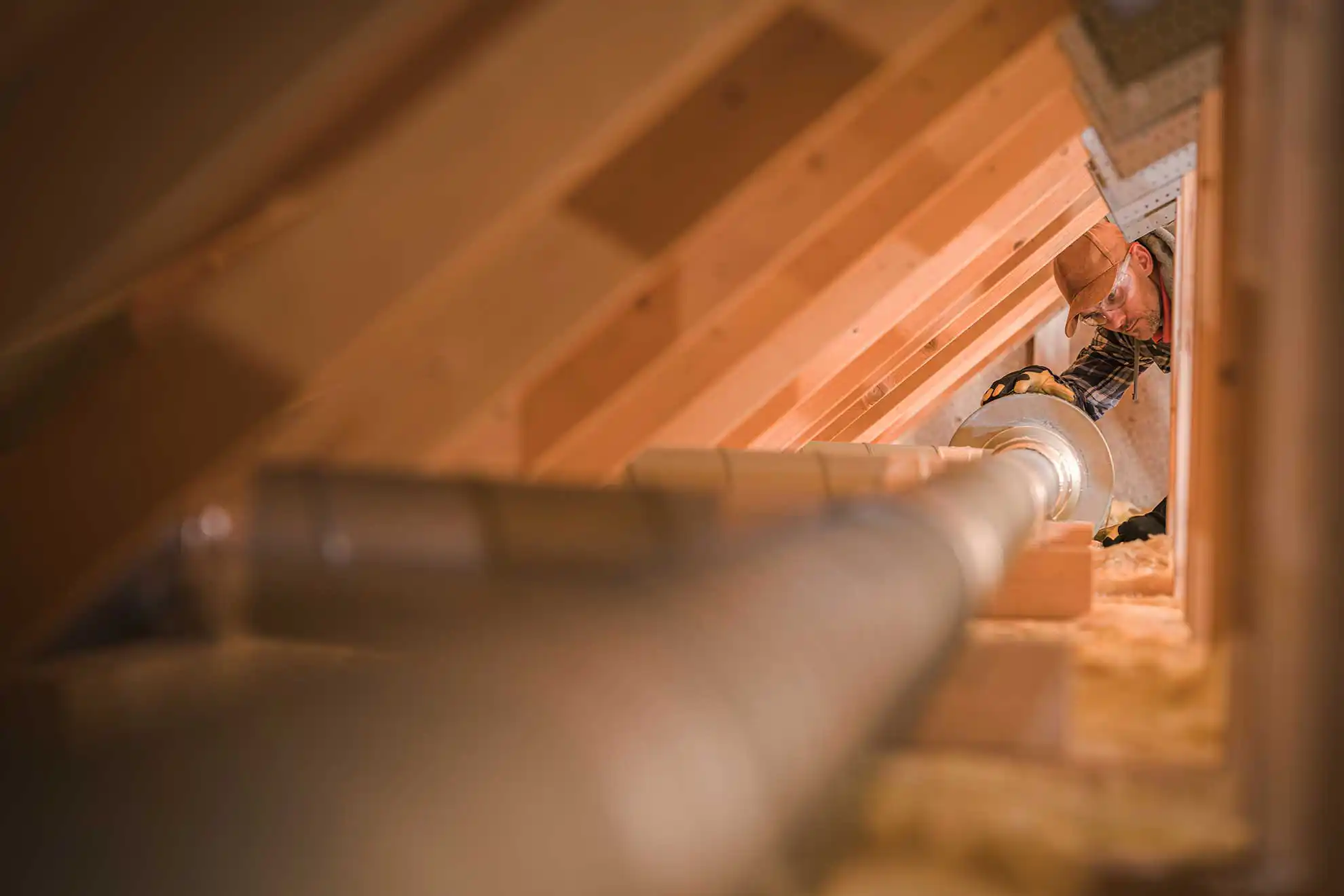
A More Comfortable Home Starts With Better Insulation
Good insulation does more than sit inside your walls and attic. It helps slow heat loss in winter, keeps unwanted heat out in summer, and can make it easier to maintain a comfortable temperature without constantly adjusting the thermostat.
Our team provides insulation services in Madison, WI, including attic insulation, wall insulation, crawl space insulation, and air sealing. We work with both existing homes and new construction, looking at the areas where your home may be losing energy and recommending practical improvements.
Where Your Home May Need More Insulation
Attics, Walls & Other Problem Areas
Insulation isn't equally effective everywhere. An attic may have too little insulation, exterior walls may have gaps, or a crawl space may allow unwanted heat loss and moisture into the home.
We look at the specific areas of your home rather than treating every insulation project the same way.
Attic Insulation
Heat can move through the attic when insulation is inadequate or has settled over time. Adding or improving attic insulation can help reduce heat loss during Madison winters and keep the upper levels more comfortable during the summer.
We can assess the existing insulation and determine whether adding more, replacing damaged material, or addressing air leaks should be part of the project.
Wall Insulation
Exterior walls can contribute to energy loss when insulation is missing, compressed, or insufficient. Wall insulation can improve the thermal barrier between your living space and the outdoors while helping rooms maintain a more consistent temperature.
For existing homes, the right approach depends on the wall construction and what's already in place. We'll assess the property and explain the available options.
Crawl Space Insulation
A poorly insulated crawl space can affect floors and rooms above it while also creating opportunities for moisture problems. Proper insulation can help reduce heat loss and improve comfort in the living spaces above.
We'll look at the crawl space itself, including existing insulation and signs of moisture or water damage, before recommending insulation work.
Basement & Floor Insulation
Basements and floors above unconditioned spaces can also be sources of heat loss. Insulating these areas can help keep floors warmer and reduce the amount of energy needed to maintain comfortable indoor temperatures.
The right solution depends on how the space is built and whether moisture or other issues need to be addressed first.
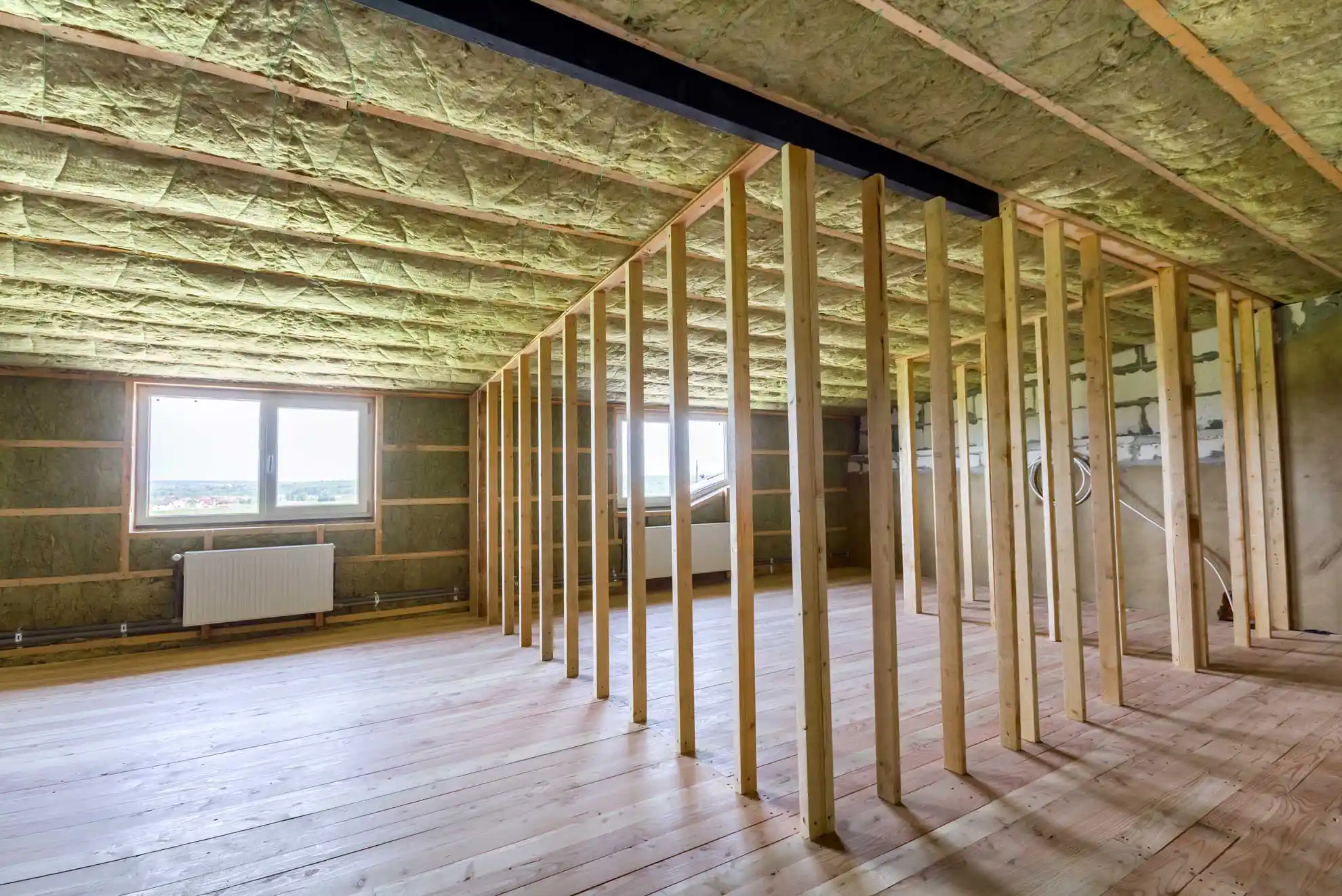

Blown-In Attic Insulation
Add Insulation Where Your Home Needs It
Blown-in attic insulation is a practical option for adding insulation to an existing attic. The material can be distributed across the attic floor and around areas that are difficult to reach with traditional insulation.
Before installation, we’ll look at the existing insulation and the condition of the attic. If air leaks or other issues need attention, we can address those as part of an insulation and air sealing project.
Air Sealing & Insulation
Stop the Gaps That Let Air Through
Insulation and air sealing work together. Insulation slows heat transfer, while air sealing addresses gaps and openings that allow conditioned air to escape or outdoor air to enter.
Common areas for air leaks include gaps around windows and doors, penetrations through ceilings and floors, and openings around wiring, plumbing, and other building components. Sealing these areas before or alongside insulation can improve the overall performance of the home’s thermal barrier.
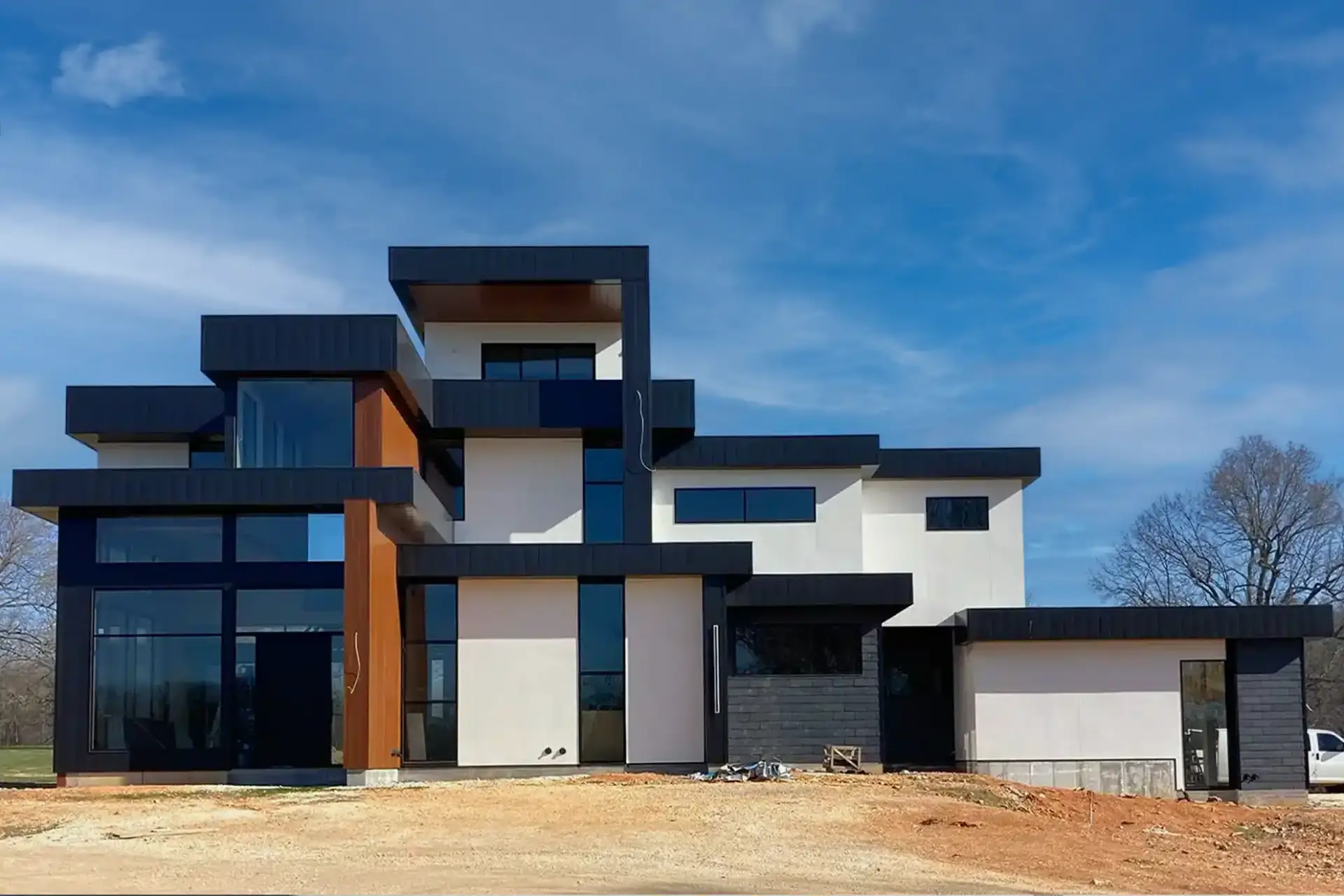
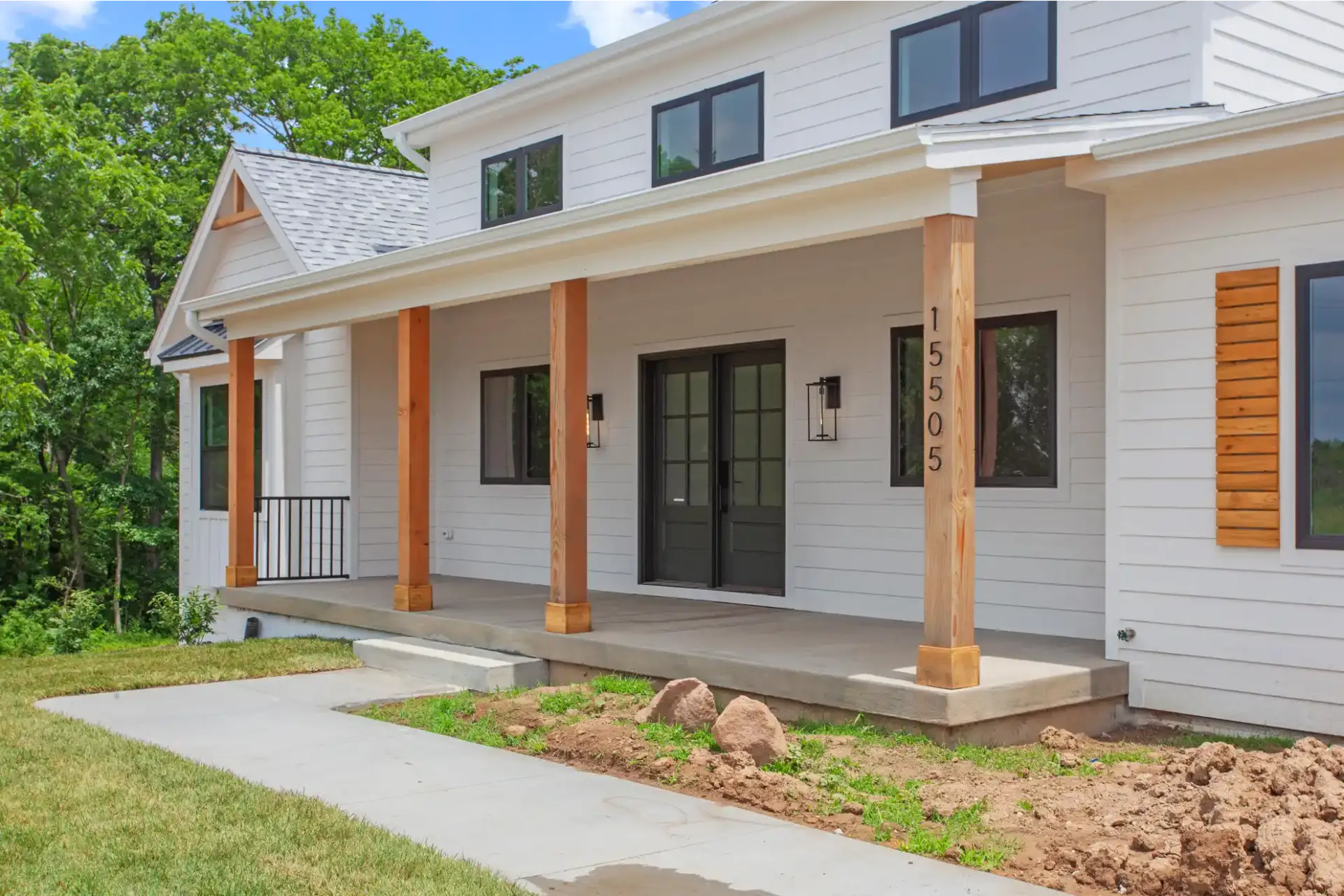
Insulation for Energy Efficiency
Reduce Unnecessary Energy Loss
If your home loses heat through the attic, walls, floors, or other poorly insulated areas, your heating and cooling system has to work harder to maintain the temperature you want. Improving insulation and sealing air leaks can help reduce that energy loss.
Better insulation may also help reduce energy bills, although the savings depend on the home’s existing condition, how much insulation is added, and other factors such as windows, doors, and HVAC efficiency.
Insulation for New & Existing Homes
Different Homes Need Different Solutions
We work on both new and existing homes, and the insulation process isn’t identical for each.
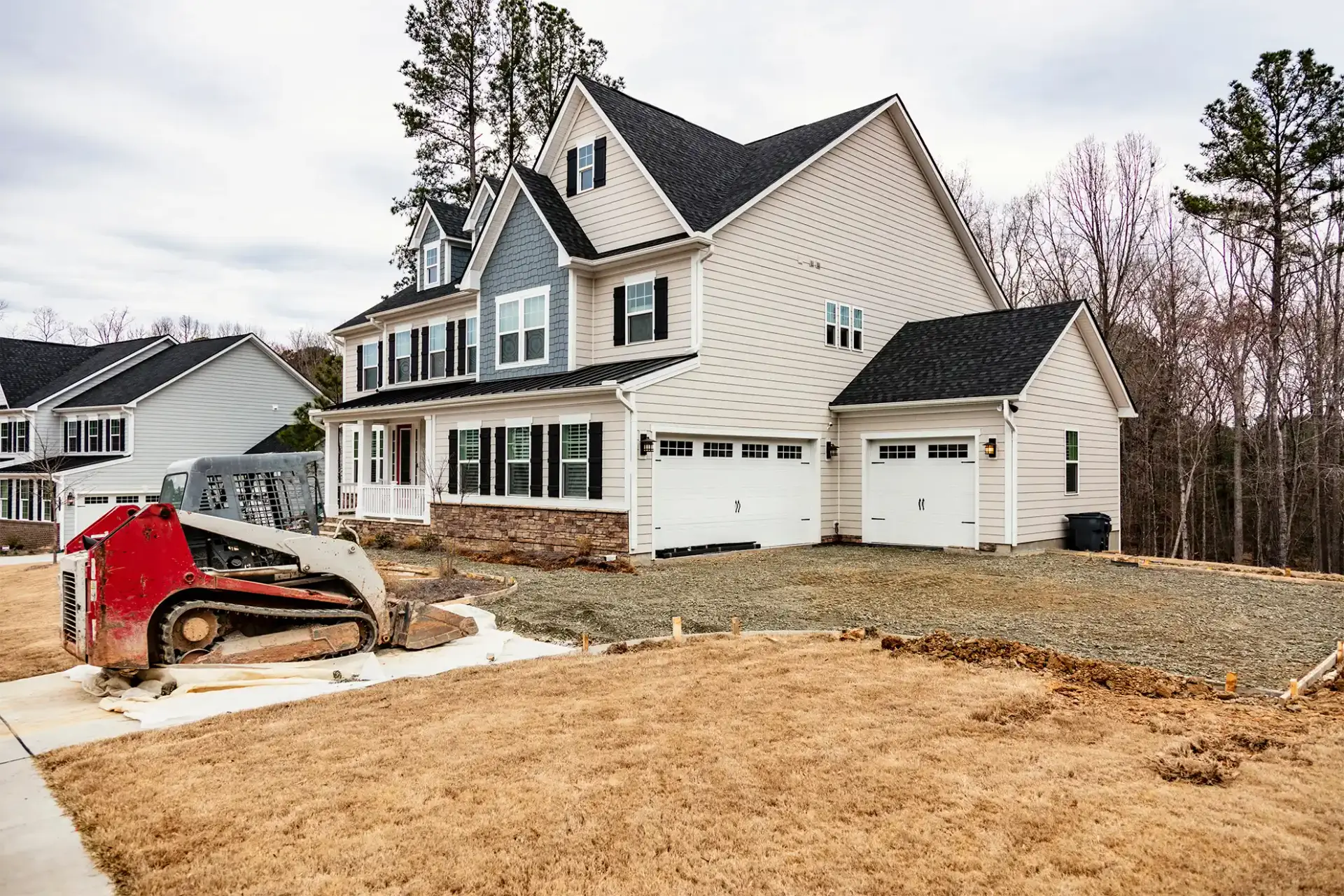
New construction gives us the opportunity to install insulation before walls and other finishes are completed. Existing homes require a closer look at what’s already installed, where access is available, and whether issues such as moisture, gaps, or damaged insulation need to be addressed first.
Insulation & Indoor Comfort
More Consistent Temperatures Throughout the Home
Rooms that are noticeably hotter or colder than the rest of the house can sometimes point to inadequate insulation or air leakage. Improving these areas can help reduce temperature differences and make the home more comfortable throughout the year.
Insulation can also help reduce drafts and make it easier for your heating and cooling system to maintain the temperature you’ve set.
What to Expect During Your Insulation Project
A Look at What's Already There
Inspect the attic, walls, crawl space, or other areas included in the project.
Identify areas with inadequate insulation, air leaks, gaps, or moisture concerns.
Discuss the recommended insulation materials and preparation work.
Complete air sealing and install the appropriate insulation.
Check the finished work and make sure the project area is left clean.
Insulation Madison FAQ
How do I know if my home needs more insulation?
Cold floors, drafts, uneven temperatures, and high energy bills can all be signs that your home isn’t insulated as well as it could be. You may also notice that certain rooms are much hotter in summer or colder in winter than the rest of the house.
An inspection can help determine whether the problem is related to insulation, air leaks, or another part of the home’s exterior. We’ll look at the areas involved before recommending insulation work.
Is attic insulation worth adding?
It can be, particularly when an attic has inadequate or settled insulation and your home is losing a significant amount of heat through the ceiling. Improving attic insulation can help with energy efficiency, temperature control, and overall comfort.
We’ll assess what’s already in the attic before recommending additional insulation. In some cases, air sealing should also be completed to address gaps that insulation alone won’t fix.
What is blown-in attic insulation?
Blown-in attic insulation is loose insulation that is distributed across the attic floor using specialized equipment. It can cover large areas evenly and work well around existing structures and hard-to-reach spaces.
It’s commonly used when adding insulation to an existing attic, although the right material and amount depend on the home’s construction and current insulation levels.
Does insulation help lower energy bills?
Better insulation can reduce the amount of heat your home loses in winter and gains in summer, which may reduce how hard your heating and cooling equipment needs to work. That can help lower energy costs, although actual savings vary from home to home.
The biggest improvement usually comes from addressing the areas where your home is losing the most energy. That’s why we look at the existing insulation and air leaks before recommending a solution.
What is air sealing, and do I need it with insulation?
Air sealing involves closing gaps and openings that allow air to move between your home and unconditioned spaces. Common problem areas include openings around wiring, plumbing, windows, doors, and other penetrations.
Insulation and air sealing serve different purposes but work well together. If your home has significant air leaks, sealing them can help your new insulation perform more effectively.
Can you insulate an existing home?
Yes. We provide insulation work for existing homes as well as new construction. The approach depends on the home’s construction, the areas that need insulation, and what’s already installed.
We’ll work around the existing structure and explain what can realistically be improved without unnecessary work. This can include attic insulation, wall insulation, crawl spaces, and other areas contributing to energy loss.
Can insulation help with ice dams?
It can help address one of the conditions that contribute to ice dams. When heat escapes into the attic, it can warm the roof surface and contribute to uneven snow melting, which may refreeze near the roof edge.
Improving attic insulation and air sealing can help reduce heat transfer into the attic. Proper attic ventilation and roof conditions also need to be considered, so we look at the situation as a whole.
Can insulation help prevent moisture or mold problems?
Insulation itself isn’t a solution for an active moisture problem. If water is getting into the home through a roof, wall, foundation, or plumbing issue, that source needs to be addressed first.
We can identify visible signs of moisture or damaged insulation during the project and let you know when additional work may be needed. Keeping moisture out is important for protecting the insulation and reducing conditions that can contribute to mold growth.
What type of insulation is best for my home?
There isn’t one insulation material that’s right for every home. Options can include fiberglass, blown-in insulation, and spray foam, depending on where the insulation is being installed, the existing construction, and the performance you’re looking for.
We’ll consider the space, existing insulation, accessibility, and project goals before recommending a material. That way, you’re choosing based on the home rather than simply choosing the most expensive option.
How much does insulation cost in Madison?
The cost of insulation depends on the size of the area, the existing insulation, the material selected, accessibility, and whether air sealing or preparation work is also needed. An attic with straightforward access will have different requirements from a larger project involving walls or crawl spaces.
We provide a free estimate so you can understand the scope and expected cost before deciding how to proceed.


