
EPDM Roofing for Madison Flat & Low-Slope Roofs
Flat and low-slope roofs need a roofing material that can handle standing water, temperature swings, and regular weather exposure without adding unnecessary complexity. EPDM roofing is a rubber membrane system commonly used for these applications because of its flexibility, durability, and resistance to moisture and weather.
What Is EPDM Roofing?
A Rubber Membrane Built for Low-Slope Roofs
EPDM stands for ethylene propylene diene monomer, a synthetic rubber material manufactured specifically for roofing applications. Unlike asphalt shingles, EPDM is installed as a continuous membrane across the roof deck, creating a water-resistant layer over the building.
It’s particularly well suited to flat and low-slope roofs where traditional shingles aren’t an appropriate choice. EPDM systems can also be installed on a range of commercial buildings and other structures with compatible roof designs.
Why Choose EPDM?
Durable Protection Without a Complicated System
EPDM has been used as a roofing material for decades and has a proven track record in a wide range of climates. Its flexibility allows the membrane to accommodate normal expansion and contraction as temperatures change, while its resistance to weather exposure helps protect the roof from rain, snow, and sunlight. For Madison properties, that combination can make EPDM a practical option for handling freeze-thaw cycles and Wisconsin's changing weather conditions.
Low Maintenance
EPDM roofing has relatively straightforward maintenance requirements compared with some other roofing systems. Regular inspections can help identify issues with seams, flashing, drainage, or the membrane before they become larger problems. Keeping the roof clear of debris and addressing damage promptly can also help preserve the system over the long term.
Long-Term Value
The initial cost of an EPDM roof is only one part of the decision. The material's durability, relatively low maintenance requirements, and long service life can make it a cost-effective option when you're looking at the roof as a long-term investment. We'll help you compare the upfront cost with the expected performance of the system so you can make an informed decision for your property.
EPDM vs. Other Roofing Materials
Compare the Options Before You Commit
EPDM isn’t the only option for flat and low-slope roofs. Depending on the building and roof design, property owners may also consider PVC, modified bitumen, or other commercial roofing systems.
Traditional asphalt shingles are generally designed for steeper slopes and aren’t automatically interchangeable with membrane roofing. We’ll look at your existing roof, roof deck, drainage, and slope before recommending the right roofing material.
Black vs. White EPDM
Choosing the Right Membrane
Black EPDM is the traditional option and is widely used for commercial and low-slope roofing applications. Its dark surface can absorb heat from the sun, which may be worth considering when evaluating the building’s overall energy performance.
White EPDM has a reflective surface that can reduce solar heat gain and may be worth considering for certain buildings. Your roof size, building use, insulation, HVAC system, and energy goals all play a role in determining which option makes sense.
EPDM Installation
Getting the Roof Ready Matters
A quality EPDM system starts with the surface underneath the membrane. Before installation, the existing roof and roof deck need to be assessed to determine whether the substrate is suitable and whether repairs or preparation are required.
The membrane is then positioned and secured using the appropriate installation method, with careful attention to seams, edges, penetrations, flashing, and drainage. Proper installation is especially important on a flat roof because water needs to move off the membrane rather than remain standing on it.
EPDM Roof Replacement
When an Old Roof Has Reached Its Limit
EPDM can be a good replacement option when an existing flat or low-slope roof has reached the end of its useful life. Persistent leaks, deteriorated materials, repeated repairs, or widespread membrane damage may indicate that replacement is more practical than continuing to patch the existing system.
We’ll inspect the old roof and explain what we find before recommending replacement. If the existing system is still in reasonable condition, repair or restoration may be worth considering instead.
EPDM Roof Repairs
Address Problems Before They Spread
Even a durable EPDM roof can develop problems over time. Punctures, damaged seams, flashing issues, membrane deterioration, and drainage problems can all lead to leaks if they’re left unaddressed.
A roof inspection can help pinpoint where water is getting in and determine whether a localized repair is appropriate. We can then recommend the most practical next step based on the condition of the overall system.
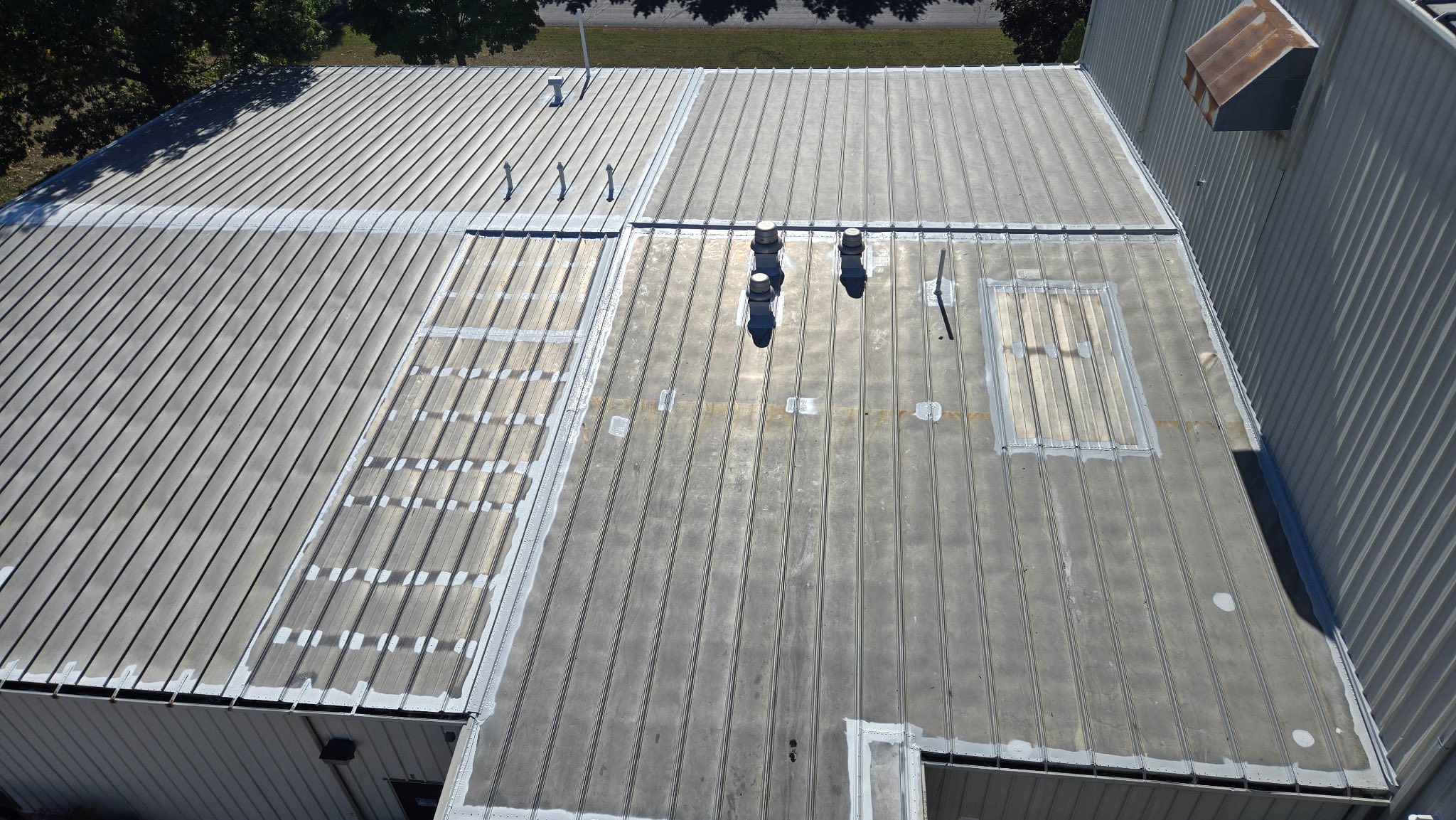
What to Expect During an EPDM Roofing Project
A Careful Installation From Start to Finish
Inspect the existing roof, membrane, drainage, and roof deck.
Remove deteriorated roofing materials where required and prepare the surface.
Install insulation or other necessary components before placing the EPDM membrane.
Secure the membrane and properly detail seams, edges, penetrations, and flashing.
Check the completed roof and drainage areas.
Clean up the property and complete a final walkthrough.
EPDM Roofing Madison FAQ
Is EPDM a good roofing material for Madison?
EPDM can be a practical choice for flat and low-slope roofs in Madison because the membrane is flexible and designed to withstand weather exposure. It can handle rain, snow, sunlight, and the temperature changes that come with Wisconsin’s freeze-thaw cycles.
The suitability of EPDM still depends on the specific roof. We’ll consider the slope, drainage, existing materials, roof deck, and building before recommending an EPDM system.
How long does an EPDM roof last?
The lifespan of an EPDM roof depends on the quality of the membrane, installation, weather exposure, maintenance, and other conditions affecting the system. A properly installed and maintained EPDM roof can provide many years of service.
Regular roof inspections are useful for catching damaged seams, flashing problems, drainage issues, or other concerns before they turn into larger repairs.
Is EPDM better than asphalt roofing?
Neither material is automatically better because they are designed for different applications. EPDM roofing is particularly suited to flat and low-slope roofs, while asphalt shingles are commonly used on steeper residential roofs.
We’ll look at your roof design and explain which roofing material is appropriate rather than recommending a material simply because it’s familiar.
Does EPDM work on a flat roof?
Yes. EPDM is widely used for flat roofs and low-slope roofs, making it a common option for commercial buildings and other properties where asphalt shingles aren’t suitable.
The drainage system is still important. A flat roof needs to be designed so water can move toward drains or other collection points rather than remaining on the membrane.
Is black or white EPDM better?
Both are viable EPDM rubber roofing options, but the better choice depends on the building and your priorities. Black EPDM is the traditional membrane option, while white EPDM can reflect more sunlight and may help reduce solar heat gain.
We’ll consider factors such as the building’s insulation, HVAC use, roof size, and energy goals before helping you choose between the two.
How much does EPDM roofing cost in Madison?
The cost of an EPDM roof depends on the size and condition of the roof, existing materials, roof deck, insulation requirements, installation method, and other project details. A straightforward installation on a prepared surface will have different costs from a replacement requiring extensive tear-off or deck repairs.
We provide a free estimate after assessing the roof so you can understand the work involved and the expected investment.
Can an EPDM roof be repaired?
Yes. Localized EPDM damage can often be repaired without replacing the entire membrane. The appropriate repair depends on the type and extent of the damage, as well as the condition of the surrounding roofing system.
We’ll inspect the affected area and let you know whether a repair is practical or whether the overall condition of the roof points toward replacement.
Is EPDM good for commercial roofing?
Yes. EPDM is a widely used option for commercial roofing, particularly on flat and low-slope commercial buildings. Its durability, weather resistance, and relatively low maintenance requirements make it suitable for many commercial applications.
We’ll consider the building, roof size, drainage, insulation, and how the property is used when determining whether EPDM is a good fit.
Does EPDM help with energy efficiency?
EPDM itself isn’t an insulation system, so the membrane should be considered alongside the roof’s insulation and overall assembly. The colour of the membrane can also affect solar heat gain, particularly on buildings with significant air conditioning use.
We’ll look at the roofing system as a whole when discussing energy efficiency, rather than treating the membrane as the only factor affecting your building’s energy bills.


