

A useful roof inspection explains what was observed, where it was found, and what it means for the next decision. It should also identify what couldn’t be checked. For Madison homeowners dealing with a leak, aging shingles, or concerns after a storm, that distinction matters. A few roof photos and a replacement recommendation provide less information than findings tied to specific locations and conditions.
Key Takeaways
- The inspection scope should cover relevant roofing details, drainage, and accessible interior evidence.
- The material and roof design determine what needs checking.
- A clear report separates observed defects, recommendations, and areas that remain unverified.

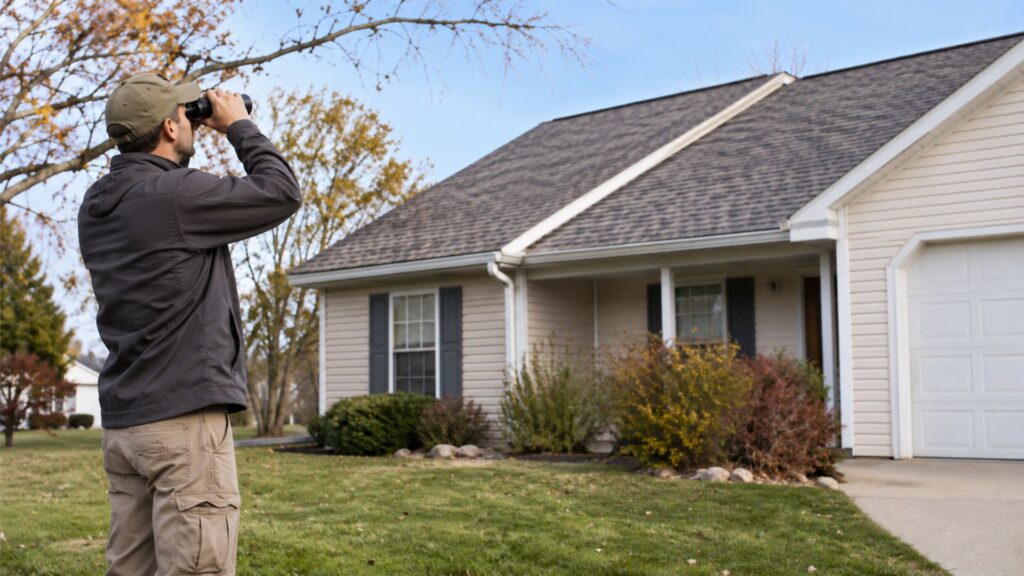
Establish the Purpose Before the Inspection
An investigation of one intermittent leak differs from a general condition assessment. Explain the concern and preserve any records that provide context, including approximate roof age, previous repairs, installation paperwork, and dated photos of interior staining.
The IBHS and RICOWI roof survey practices guide describes an organized process involving building history, observations, photographs, and reporting. It provides a useful framework, although the agreed scope of a homeowner’s inspection may be narrower than a detailed damage investigation.
Clarify whether the assessment includes the attic, gutters, an addition, or a separate garage. A report should state the inspection date and the areas examined so later readers understand its boundaries.
Inspect the Roof Covering According to Its Material
Different residential roofing systems develop different maintenance concerns. A checklist should reflect the roof actually installed rather than applying the same observations to every material.
For asphalt shingles, relevant conditions can include missing or displaced shingles, curling, exposed fasteners, and areas of exposed asphalt. The IBHS research on roof weathering explains that everyday aging changes shingles over time. A mark or patch of granule loss shouldn’t automatically be labeled storm damage without supporting evidence.
For metal roofing, the focus depends on the panel and fastening system. Exposed fasteners, deteriorating gaskets, and the condition of seams or roof transitions may be relevant. Low-slope membranes need attention to seams, penetrations, and drainage appropriate to that assembly.
The report should connect each observation to the material and location involved. Describing a defect as simply a bad roof makes the recommended work harder to evaluate.
Examine Flashing, Penetrations, and Drainage
The roof covering is only part of the system. Chimneys, vent pipes, skylights, walls, valleys, and roof edges create connections that need effective detailing.
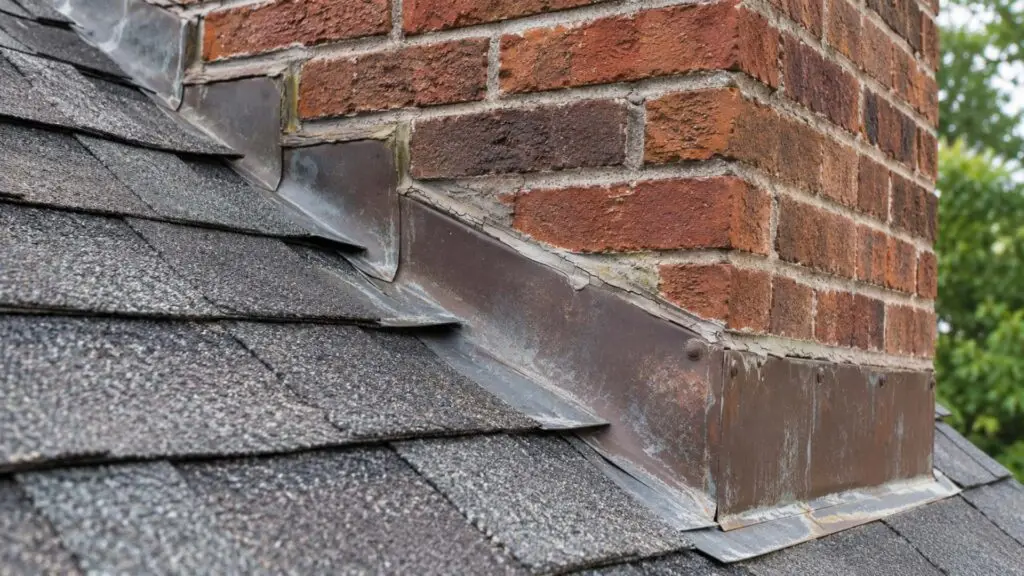
A useful exterior review considers:
- The visible condition of flashing and adjoining roofing.
- Pipe boots, vent connections, and other penetrations.
- Roof edges, gutters, and downspout discharge paths.
- Debris accumulation or drainage obstructions.
- Differences between original roofing and later additions or repairs.
Photographs should show enough surrounding area to identify the location. A close-up is more useful when it can be matched to a wider view of the same detail.
Include Accessible Interior Evidence
If included in the scope and safely accessible, an attic review can add context that exterior photos miss. Relevant observations may include staining on the underside of roof decking, damp insulation, or visible moisture near a penetration.
Access has limits. ENERGY STAR’s attic safety guidance notes hazards such as hidden framing, exposed nails, and high temperatures. Ceiling surfaces and insulation aren’t safe walking platforms.
The report should identify inaccessible areas rather than treating them as inspected. Snow, ice, roof steepness, material fragility, and weather can also limit exterior access. An alternative observation method may be appropriate, but any detail it leaves uncertain should remain identified as uncertain.
Look for a Report That Supports a Decision
Useful documentation links the evidence to the recommendation. It should distinguish a confirmed defect from a suspected source that needs further investigation.

For example, a ceiling stain and deteriorated flashing are two observations. The report should explain whether the water path was established or whether additional testing is needed before attributing the stain to that flashing.
A practical report includes:
- Labeled photos and the location of each finding.
- Conditions requiring prompt attention versus routine follow-up.
- The proposed roof repair or further investigation, with its purpose.
- Access limitations and concealed conditions that weren’t evaluated.
- Any specialist assessment needed beyond the inspector’s scope.
Know When a Different Assessment Is Needed
A visual roof inspection doesn’t automatically include a structural engineering review, destructive testing, or a full evaluation of home energy performance.
The Department of Energy’s guide to home energy assessments describes diagnostic methods such as blower-door testing and infrared imaging. Those services answer different questions from a visual roof review and should be specifically included if needed.
This distinction is useful when the concern involves recurring winter moisture, drafts, or suspected heat loss. A roofing assessment may identify clues without measuring every contributing condition.
Frequently Asked Questions
Does an inspector need to walk on every roof?
No. Access depends on weather, slope, material, and safety conditions. The report should explain the observation method and any areas that couldn’t be evaluated adequately.
How should I prepare for an attic inspection?
Provide safe access to the hatch and share known concerns. Moving stored items near the entrance can help, but homeowners shouldn’t cross exposed framing or insulation to prepare the space.
Can an inspection guarantee there are no hidden leaks?
No. A visual assessment records observable conditions at that time. Concealed defects and leaks that occur only under particular weather conditions may require further investigation.
Can a report give the exact remaining life of a roof?
No. It can describe condition and explain concerns, but an exact remaining lifespan can’t be established from appearance alone. Maintenance history and future exposure also affect performance.
Which records should I keep afterward?
Retain the report, labeled photos, repair documentation, and applicable product or installation records. These create a reference point when symptoms recur or the roof is evaluated again.
How often should Madison homeowners arrange a roof inspection?
Inspection timing should reflect roof age, condition, manufacturer guidance, and weather exposure. Regular roof inspections are particularly useful after severe weather or when leaks, missing shingles, or other changes suggest that repairs may be needed.
Should my Madison roof be inspected after hail or high winds?
A roof inspection can identify displaced shingles, tears, and other storm damage after significant hail or wind. Damage isn’t always visible from the ground, and granule loss alone doesn’t establish that hail caused it.
How do residential and commercial roof inspections differ?
Professional roof inspections cover residential and commercial properties, but priorities vary by roof design. A low-slope commercial roof needs particular attention to membrane seams, drainage, and rooftop equipment, while shingle roofs present different inspection details.
What does a roof inspector check on modified bitumen roofing?
A roof inspector examines visible membrane condition, seams, roof edges, penetrations, and drainage. On a commercial roof, inspection findings should identify affected locations and explain whether repairs, further investigation, or continued monitoring are appropriate.
Can a roof inspection help distinguish repairs from roof replacement?
Yes. Localized defects may allow targeted repairs, while widespread deterioration can support considering roof replacement. Recommendations should explain the roof’s condition, affected roofing materials, and why repairs or a full replacement represent the appropriate scope.
Can a roof inspection identify poor ventilation or moisture buildup?
An accessible attic inspection may reveal blocked ventilation paths, damp insulation, or water stains. These observations can suggest moisture problems, but identifying the cause may require additional assessment of air leakage, exhaust routing, and attic ventilation.
How should roof maintenance follow a professional roof inspection?
Roof maintenance should address documented priorities, such as debris accumulation, deteriorated connections, or damaged shingles. Property owners should retain repair records and follow recommended checks so changes can be compared during subsequent professional roof inspections.
Can a roof inspection report support insurance claims?
Yes. Dated photographs, documented storm damage, and repair estimates can support insurance claims. Roofing contractors document physical conditions, while insurance adjusters evaluate the loss for the insurer. An inspection report doesn’t guarantee coverage or roof replacement approval.
Does a roof inspection replace permits or municipal inspections in Madison, WI?
No. A contractor’s roof inspection is separate from permit approval and required municipal inspections. The City of Madison requires a permit for roof replacement. Requirements for repairs or properties elsewhere in Dane County depend on jurisdiction and scope.
What should property owners confirm before a free roof inspection?
A free roof inspection should have a clearly stated scope. Confirm whether photographs, attic access, written findings, and repair recommendations are included, and whether additional diagnostic work or other roofing services would carry a separate charge.
Make the Findings Traceable
The value of an inspection comes from clear evidence and defined limits. When observations, photos, and recommendations align, homeowners can understand the condition being addressed and which questions still need an answer.