

A brown ceiling stain can make a roof replacement seem inevitable. The stain alone doesn’t establish what failed or how much work is needed. A roof leak, plumbing leak, or condensation problem can leave similar marks. For Madison homeowners, the useful starting point is the pattern: when moisture appears, where it collects, and what is above the affected room.
Key Takeaways
- A ceiling stain shows that moisture reached the surface, but doesn’t identify its source.
- Rain, snowmelt, indoor humidity, and plumbing use provide different clues.
- A lasting repair addresses the water source and damaged materials before repainting.

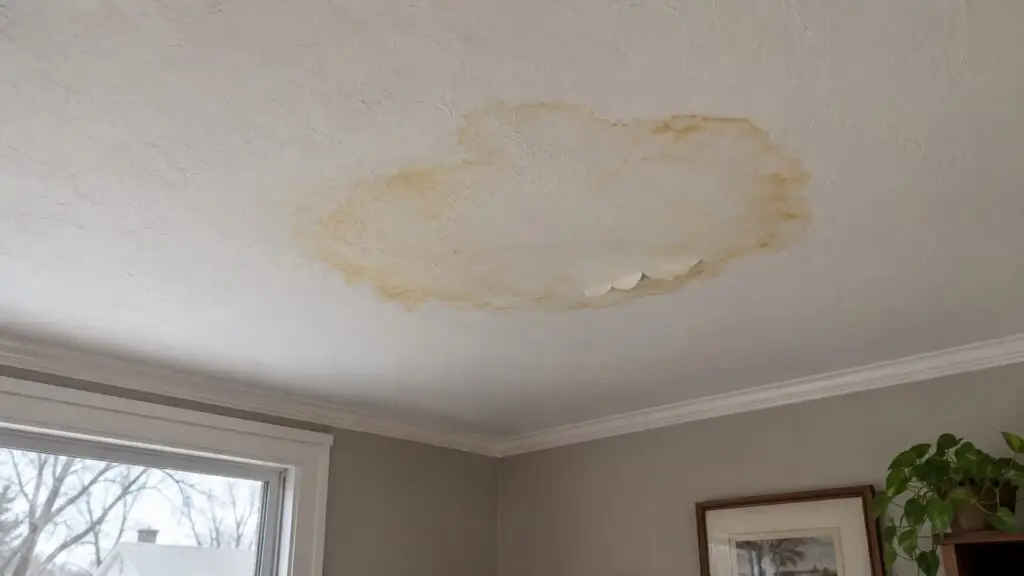
Start With Timing and Location
Record when you first noticed the stain and whether it changes. A photo taken from the same position makes comparisons easier. Note recent rain, melting snow, bathroom use, or plumbing work without assuming that the most recent event caused the problem.
The EPA’s guidance on household moisture explains that water can enter through leaks, while everyday activities also add moisture to indoor air. Moisture can condense when that air encounters cold surfaces.
| What you notice | Possible explanation | What still needs checking |
|---|---|---|
| Staining that grows during rain | Water entering through the roof or another exterior opening | The actual entry point and water path |
| Moisture during a winter thaw | Snowmelt intrusion or thawing attic condensation | Both roof conditions and attic moisture |
| Staining below an upstairs bathroom | Plumbing or a fixture-related leak | Connections, fixtures, and surrounding materials |
| Moisture without recent precipitation | Condensation or an interior leak | Humidity sources and concealed plumbing |
These are starting clues, not diagnoses. The ceiling mark may be some distance from where water entered the building.
Roof Details That Can Let Water In
A roof investigation should extend beyond the shingles directly above the stain. Chimneys, vent pipes, skylights, roof-to-wall intersections, and valleys create transitions that need effective water-shedding details.
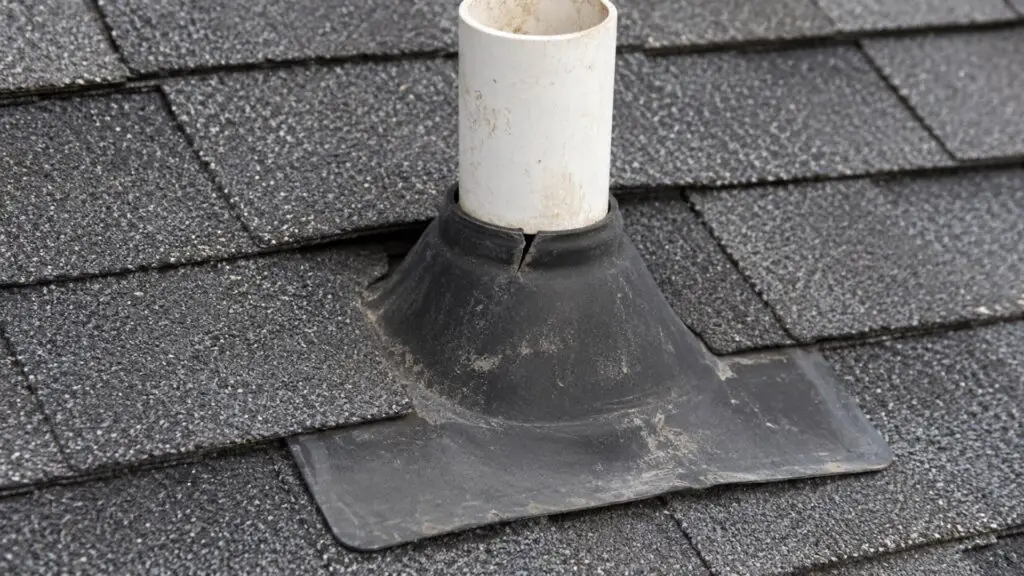
A split pipe boot, deteriorated flashing, or damaged roofing may call for a focused roof repair. Repeated surface patching is less useful when the underlying connection remains defective.
For example, a stain beside a chimney doesn’t establish that the entire roof has failed. The relevant question is whether the chimney flashing, adjoining roofing, masonry, or another nearby detail is allowing water through. Findings should explain the observed defect and how it connects to the interior symptom.
How Attic Condensation Can Resemble a Roof Leak
Warm, moisture-laden indoor air can reach a cold attic and condense on roof sheathing. During colder conditions, moisture may accumulate as frost and become noticeable when it melts. This possibility deserves attention when staining follows temperature changes without a clear rain-related pattern.
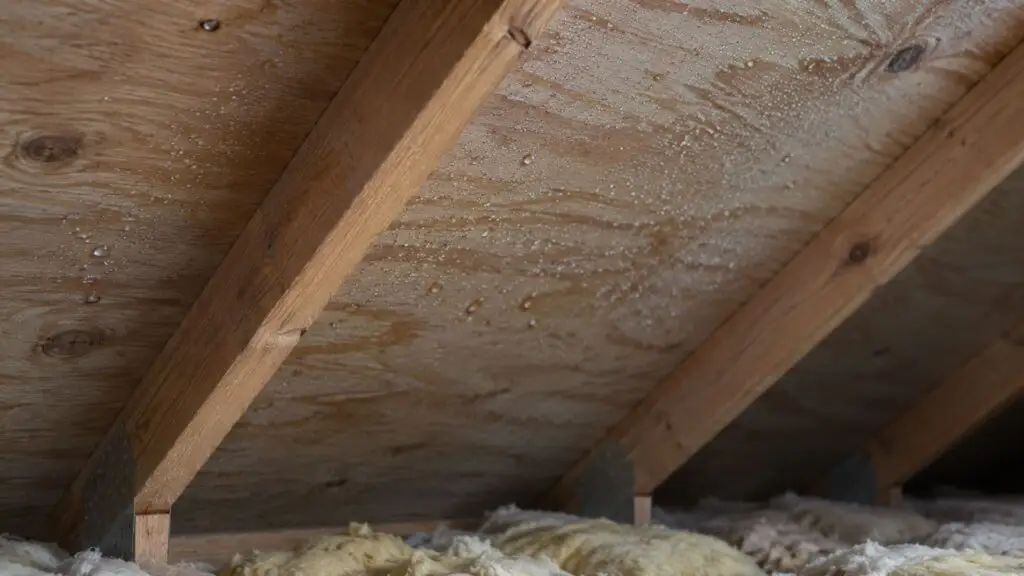
The investigation may include bathroom exhaust routing, air leakage at the ceiling, existing insulation, and the attic’s ventilation arrangement. The EPA recommends exhausting bathroom and kitchen moisture outdoors rather than into an attic.
Adding attic insulation without evaluating air leakage and moisture sources can leave part of the problem unresolved. The appropriate correction depends on how the particular roof and attic were built.
What to Do When the Ceiling Is Actively Wet
Keep people away from a sagging or visibly damaged ceiling. Move belongings only when the area is safe, and document the condition from a safe position. Avoid climbing onto a wet, icy, or storm-damaged roof to investigate.
Water near lighting or wiring adds a separate concern. The National Weather Service’s post-storm safety guidance identifies damaged electrical systems as a hazard. Keep clear of wet electrical equipment and leave electrical evaluation to a qualified professional.
A temporary measure may limit additional water entry, but it doesn’t explain the cause or establish that concealed materials have dried. Keep a record of temporary work so the permanent repair can account for it.
Match the Repair to the Findings
The EPA’s guidance on moisture inside homes advises addressing water problems rather than simply painting over affected surfaces. Repainting a stain too early can hide a symptom while the source remains active.
A useful assessment separates three questions:
- Where is the moisture coming from?
- Which roof, plumbing, or attic detail needs correction?
- Which interior materials need drying, further evaluation, or replacement?
Decisions about residential roofing should reflect the roof’s wider condition. One isolated defect and widespread deterioration represent different scopes. If the source remains uncertain, the report should say what evidence is missing and what further investigation would resolve it.
Frequently Asked Questions
Can a new roof still develop a ceiling stain?
Yes. Roof age doesn’t rule out a flashing issue, plumbing leak, or condensation problem. The investigation should consider the building’s moisture sources as well as its roof covering.
Does a water stain always mean mold is present?
No. Discoloration alone doesn’t identify mold. Persistent moisture, visible growth, or a musty odor warrants further evaluation, including investigation of concealed damp materials where appropriate.
What can a roof inspection reveal about recurring water stains?
A roof inspection can check damaged shingles, flashing around vent pipes, and accessible roof deck surfaces. Wet insulation in the attic may help trace a roof leak, although condensation can also leave damp insulation.
Can plumbing leaks cause ceiling stains when the floor above is dry?
Yes. Leaking pipes or drain pipes inside a floor cavity can wet the ceiling without leaving visible water upstairs. A dry bathroom or laundry room floor doesn’t rule out concealed plumbing leaks.
Can HVAC systems cause a ceiling water stain?
Yes, where equipment or ducts sit above the affected area. A blocked condensate drain, overflowing drain pan, or condensation on inadequately insulated ducts can cause water damage that resembles a leaking roof.
Should I use stain-blocking primer before fixing a roof leak?
No. Fix the roof leak or plumbing problem first, let affected materials dry completely, and assess any needed drywall repair. Stain-blocking primer and new paint conceal discoloration but won’t stop an active leak.
Can a moisture meter identify the cause of ceiling stains?
A moisture meter helps locate damp areas and compare readings around water stains. It doesn’t establish the source by itself. Roof inspection findings, plumbing checks, and the timing of rain or condensation buildup provide context.
Why do water stains appear only during heavy rain or strong winds?
Wind-driven rain can enter through defects around flashing, vent pipes, or damaged shingles that remain dry during lighter weather. This pattern helps guide a roof inspection, but doesn’t establish the exact roof leak location.
Can ice dams cause ceiling stains without recent rain?
Yes. Ice dams can trap melting snow and allow water beneath the roofing. This moisture can reach attic insulation, an exterior wall, or the ceiling, creating water stains even when there hasn’t been recent rain.
Can a roof leak cause water stains far from its entry point?
Yes. Water can travel along the roof deck, framing, or pipes before reaching the ceiling. The stained area may therefore sit away from the actual roof leak, making inspection beyond the visible stain important.
What if the ceiling feels soft or starts sagging around a water stain?
Soft or sagging ceiling drywall needs prompt professional assessment. Keep clear of bulging areas because wet materials can become heavy and fall. The moisture source and extent of ceiling damage need evaluation before repairs begin.
Will insurance cover ceiling water stains caused by a roof leak?
Coverage depends on the cause and policy terms. Damage from a covered storm may qualify, while ordinary roof wear generally doesn’t. Photos, inspection findings, and repair records help document an insurance claim without guaranteeing approval.
Find the Source Before Finishing the Ceiling
A ceiling stain is the visible endpoint of a moisture problem. Identifying the source, documenting the necessary correction, and allowing affected materials to dry creates a stronger basis for repair than treating the mark alone.