

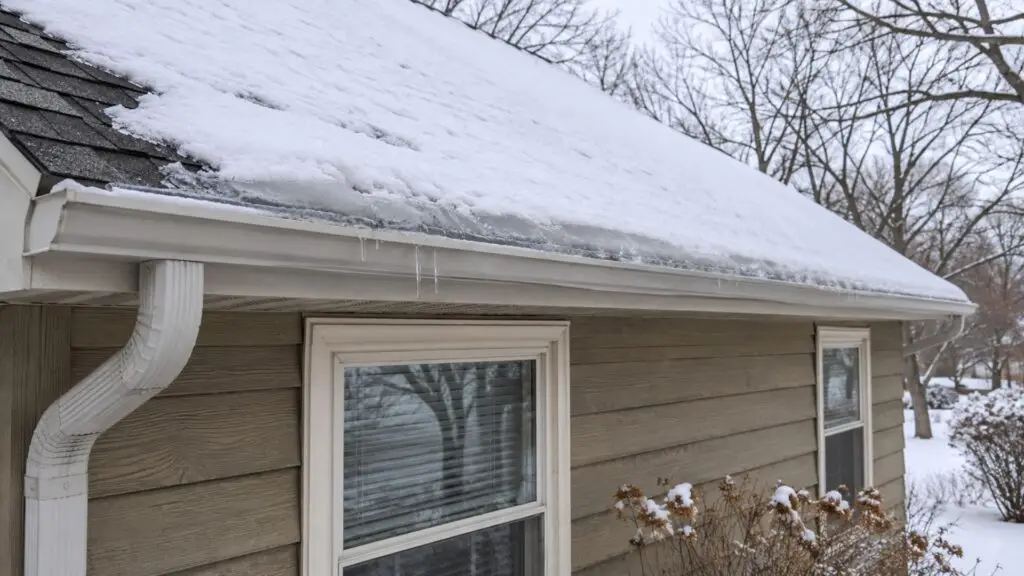
An ice ridge along the roof edge is more than a winter appearance issue. It can obstruct meltwater and allow water to back up beneath roofing. For Madison homeowners, prevention starts with understanding why one part of a snow-covered roof becomes warmer than another. Gutters, insulation, and ventilation play different roles, and treating only the visible ice can leave the underlying heat loss unresolved.
Key Takeaways
- Ice dams form when melting snow refreezes at a colder part of the roof.
- Air sealing and insulation address heat escaping from the house.
- Ventilation and drainage need to work with the roof assembly, and winter roof work presents safety risks.

Why Ice Dams Develop
The University of Minnesota Extension’s ice dam guidance explains the connection between snow, uneven roof temperatures, and heat loss from the house. Snow melts over a warmer section, then water refreezes near a colder edge. Continued melting can leave water trapped behind the ridge.
This explains why a roof can develop an ice dam while outdoor temperatures remain below freezing. Heat moving out of the home can warm portions of the roof enough to start melting snow.
The useful investigation follows that heat path. Where is indoor air escaping? Is insulation continuous? Are parts of the roof assembly unusually difficult to insulate? The answers determine which corrections belong in the work plan.
Begin With Air Leakage Between the House and Attic
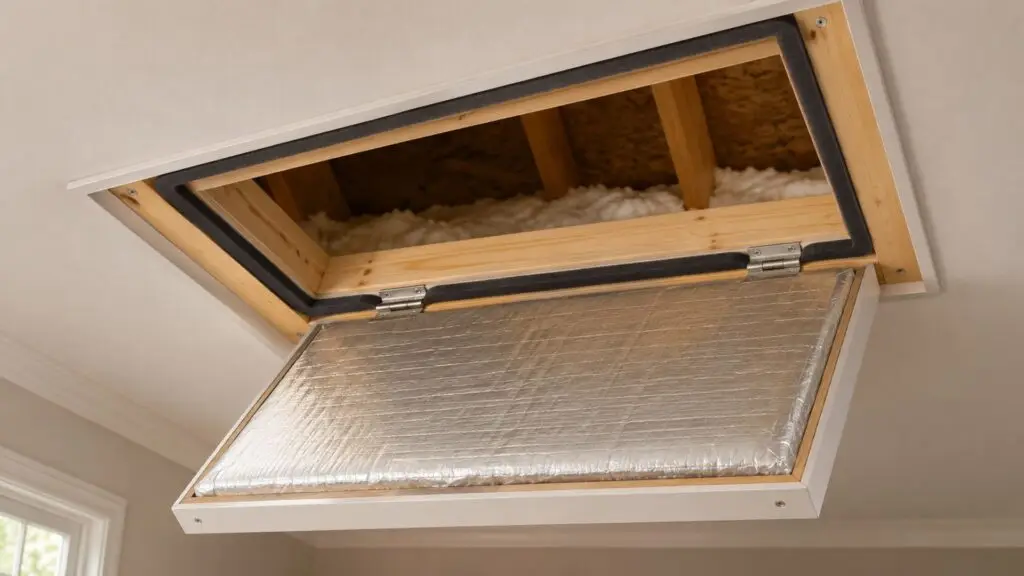
An attic hatch, ceiling penetrations, and gaps around wall tops can interrupt the boundary between heated rooms and an unconditioned attic. These locations deserve attention before additional insulation hides them.
The Department of Energy’s guidance on air sealing existing attics describes sealing leakage paths before adding insulation in existing vented attic assemblies. The objective is to reduce air movement through the ceiling, rather than relying on insulation alone.
Sealing details around chimneys, flues, electrical fixtures, and other heat-producing components require appropriate materials and clearances. They aren’t interchangeable with ordinary gaps around an access hatch.
For a practical planning example, an attic upgrade might include evaluating the hatch seal, locating ceiling openings, correcting suitable leakage paths, and then restoring insulation coverage. The scope should identify which locations are included instead of promising a general attic improvement without specifics.
Improve Insulation After Addressing Air Leaks
Insulation slows heat transfer, while air sealing limits air moving through gaps. These functions complement one another. The ENERGY STAR attic air sealing guide recommends addressing leakage as part of an attic improvement and identifies conditions that warrant professional evaluation.
An assessment of attic insulation should account for uneven coverage, access limitations, existing moisture, and the construction of the attic. Material depth by itself doesn’t describe the condition of the whole assembly.
Wet insulation or evidence of roof leakage needs investigation before being covered. A proposal should distinguish moisture correction, air sealing, insulation work, and ventilation changes so each task has a clear purpose.
Keep Ventilation Appropriate to the Roof Design
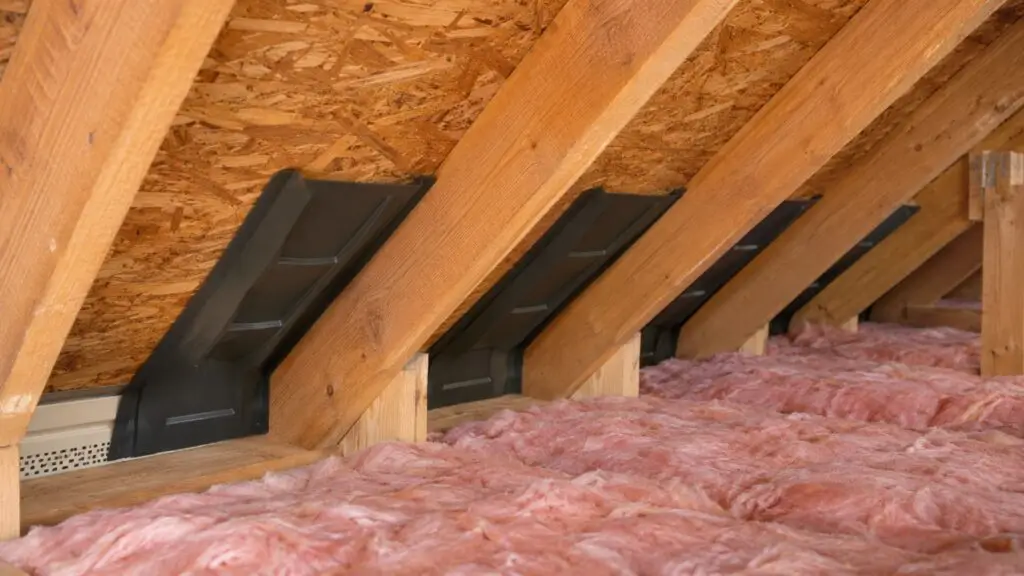
In a vented attic, outside air needs a usable path through the intended intake and exhaust openings. Insulation pushed into the eaves can obstruct that path.
ENERGY STAR’s attic ventilation guidance explains the role of soffit airflow and ventilation baffles. It also cautions that attic fans can draw conditioned air out of a home when the ceiling leaks.
Adding vents or a powered fan is therefore not a substitute for evaluating heat and moisture movement. Unvented roof assemblies use different approaches and need recommendations suited to their construction.
Understand What Each Improvement Can Do
Separate heat-loss work from water-management work when reviewing a proposed solution.
| Component | Main purpose | Important limitation |
|---|---|---|
| Ceiling air sealing | Reduce indoor air leaking into the attic | Doesn’t repair damaged roofing |
| Insulation | Slow heat transfer | Doesn’t seal every air leakage path |
| Attic ventilation | Support airflow in a vented assembly | Doesn’t correct major ceiling leaks by itself |
| Gutters and downspouts | Manage runoff | Don’t eliminate heat escaping through the roof |
Maintaining gutters and downspouts remains part of overall drainage care. Clean gutters alone cannot resolve the roof temperature differences that create an ice dam.
Existing water intrusion may also require roof repair. Roof details and attic conditions should be documented separately so repairing damage doesn’t leave the cause of recurring winter moisture unexplained.
Frequently Asked Questions
Is a roof replacement enough to prevent future ice dams?
Replacement can address damaged roofing and protective details. It doesn’t automatically correct ceiling air leaks or insulation deficiencies. Those conditions require their own assessment and defined scope.
How should Madison homeowners evaluate attic insulation for ice dam prevention?
An assessment should check insulation type, R-value, gaps, and coverage near the eaves. Uneven attic insulation can leave warmer roof areas. Effective ice dam prevention also requires evaluating air leaks and the roof’s ventilation arrangement.
Can spray foam help prevent ice dams?
Spray foam can help by sealing suitable gaps that let warm air enter the attic. Its use must match the roof assembly, with appropriate materials and clearances around light fixtures, chimneys, and other heat-producing components.
Do soffit and ridge vents help prevent roof ice dams?
In a vented attic, soffit and ridge vents support airflow beneath the roof deck. Baffles help keep attic insulation from blocking this path. Attic ventilation supports ice dam prevention but cannot compensate for substantial air leaks.
Can bathroom exhaust fans contribute to ice dams?
Yes. Exhaust fans that discharge warm, moist air into the attic can contribute to conditions associated with ice dams and moisture damage. Exhaust ducts should terminate outdoors, and gaps around fan housings should be properly sealed.
Should I use a roof rake after heavy snowfall in Madison, WI?
A roof rake can reduce snow near the eaves and lower the likelihood of ice dams. Use it only from a safe ground position, avoid overhead power lines, and take care not to damage roofing.
Do heat cables provide permanent ice dam prevention?
Heat cables can create drainage channels through ice near the roof edge and gutters. They don’t correct inadequate attic insulation or air leakage. Ice dam prevention should address those underlying conditions even when heat cables are installed.
Should I use rock salt or calcium chloride on roof ice dams?
Avoid improvised chemical treatments. Some public energy guidance advises against chemical ice removal. Rock salt or calcium chloride won’t correct the attic conditions causing ice dams, and any removal method must account for roofing and gutter materials.
Does an ice and water shield stop ice dams from forming?
No. An ice and water shield helps protect the roof deck against water intrusion beneath the roofing. It doesn’t prevent ice dams from forming. Air sealing, attic insulation, and appropriate ventilation address the conditions behind ice dam formation.
What signs of ice dam damage require a roof repair assessment?
Water stains, peeling paint, or damp attic insulation during winter thaws may indicate ice dam damage. These symptoms can have other causes, so a roof repair assessment should identify the moisture source and evaluate affected materials.
Is there a safe snow depth for every roof in Dane County?
No universal snow depth establishes safety for every roof. Snow weight, drifting, roof shape, existing condition, and structural capacity all matter. Snow removal decisions should reflect the individual building rather than a single depth measurement.
Plan Around Heat Loss and Water Movement
An effective ice dam plan connects the visible roof problem with conditions inside the attic. Clear findings about air leakage, insulation, ventilation, and drainage make it easier to choose work that addresses the actual cause and evaluate whether further corrections are needed.